

Secure Business Faxing – Practical Guidance for Modern Enterprises
What Is Secure Business Faxing?
Secure business faxing is the transmission of fax documents over the internet using encrypted channels rather than traditional phone lines. This approach protects sensitive information while preserving the familiar fax workflow that many organizations rely on. By converting paper pages to digital files, the service can store, route, and archive faxes in a secure, searchable format. The underlying technology typically follows industry‑standard TLS encryption and may comply with regulations such as HIPAA, GDPR, or FINRA, depending on the business sector.
Because the fax data never travels over the public switched telephone network, the risk of interception is dramatically reduced. Companies that handle confidential contracts, medical records, or financial statements often adopt secure business faxing to meet compliance mandates without discarding the fax medium altogether. The result is a blend of legacy convenience and modern security.
Why Businesses Still Need Fax in the Digital Age
Despite the rise of email and cloud collaboration tools, fax remains a legally accepted method for transmitting certain documents in the United States. Many industries—including healthcare, legal, and finance—require fax signatures for contracts, prescriptions, or audit trails. This legacy requirement is reinforced by regulations that still reference fax as an acceptable delivery method.
Beyond compliance, fax offers a simple, universally understood workflow: print, sign, and send. For organizations with less tech‑savvy staff or existing paper‑centric processes, replacing fax entirely can be disruptive and costly. Secure business faxing provides a bridge, allowing firms to keep the fax habit while eliminating the vulnerabilities of analog lines.
Core Features to Look for in a Secure Fax Service
Encryption and Compliance
First and foremost, the service must encrypt documents both in transit and at rest. Look for TLS 1.2 or higher for data in motion, and AES‑256 encryption for stored files. Compliance certifications—such as SOC 2, HIPAA‑Ready, or ISO 27001—signal that the provider follows rigorous security controls.
Additional features that elevate a solution include:
- Two‑factor authentication for user access.
- Audit logs that record who sent or received each fax.
- Digital signatures and document tagging.
These capabilities help IT and compliance teams demonstrate that fax communications meet internal policies and external regulations.
Benefits of Switching to Internet‑Based Fax
Moving from analog to internet‑based fax delivers measurable advantages. First, cost savings arise because you eliminate phone line rentals, maintenance, and paper waste. Second, delivery speed improves: digital faxes arrive almost instantly, and the sender receives real‑time status notifications.
Security is another major benefit. Encrypted transmission prevents eavesdropping, and centralized storage allows controlled access and secure backups. Finally, workflow automation—such as routing incoming faxes to specific email addresses or CRM records—streamlines business processes and reduces manual handling errors.
Common Use Cases Across Industries
Secure business faxing is versatile enough to support many departmental needs:
- Healthcare: Transmitting patient referrals, lab results, and prescription orders while staying HIPAA‑compliant.
- Legal: Sending signed contracts, court filings, and discovery documents that require a fax signature.
- Finance: Delivering loan applications, account verification forms, and regulatory reports.
- Manufacturing: Exchanging purchase orders, invoices, and compliance certificates with suppliers.
Each scenario benefits from the ability to track delivery status, retain a digital audit trail, and integrate fax data into existing business applications.
Getting Started: Setup and Integration Steps
Implementing a secure fax solution typically follows a straightforward sequence:
- Choose a provider that offers the required security certifications.
- Create user accounts and assign role‑based permissions.
- Configure inbound numbers (virtual or DID) for your organization.
- Integrate with email, ERP, or CRM systems using API keys or built‑in connectors.
- Run a pilot test with a small group of users to validate delivery and logging.
After the pilot, roll out the service company‑wide, provide training on the new workflow, and establish policies for archiving and retention.
Pricing Models and Cost Considerations
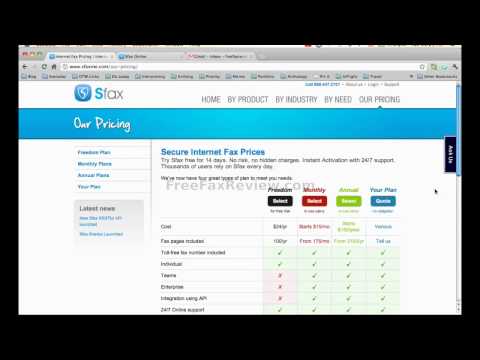
Most secure fax providers offer tiered subscription plans that balance volume, features, and support. When evaluating cost, consider not only the monthly fee but also any overage charges for extra pages, premium support, or additional compliance modules.
| Plan | Monthly Cost | Pages Included | Additional Fees |
|---|---|---|---|
| Basic | $15 | 200 | $0.10 per extra page |
| Professional | $45 | 1,000 | $0.08 per extra page |
| Enterprise | Custom | Unlimited | Included in contract |
Beyond pricing, weigh the hidden savings from reduced paper handling, lower labor costs, and minimized compliance risk. These factors often make the subscription model more cost‑effective than traditional fax lines.
Evaluating Support, Reliability, and Security
A reliable provider should guarantee high availability (typically 99.9% uptime) and offer multiple support channels—phone, email, and live chat. Look for service level agreements (SLAs) that outline response times for critical incidents.
Security is non‑negotiable. Verify that the provider performs regular third‑party audits, offers data‑center redundancy, and provides comprehensive disaster‑recovery plans. When in doubt, ask for a security whitepaper or a compliance report that matches your industry requirements.
Decision Checklist and Next Steps
Before committing, run through this quick checklist:
- Does the service encrypt fax data in transit and at rest?
- Are the required compliance certifications available?
- Is the pricing model aligned with your fax volume?
- Can the solution integrate with your existing email, CRM, or ERP platforms?
- What level of support and SLA does the provider guarantee?
If the answers are satisfactory, schedule a demo, request a trial account, and involve key stakeholders—from IT security to legal—to ensure a smooth adoption. For more resources on choosing secure communication tools, visit this resource. With careful planning, secure business faxing can become a competitive advantage rather than a legacy burden.